A Full Moon in Kyrgyzstan
What is that edge, the one where we leave behind the fearlessness of youth in order to begin the heart’s journey into the wilderness of womanhood? One adventuress stumbles upon it on a rough slope above the Issyk-Kul Valley.
The light from the street lamp glistens on a knife blade perfectly situated near the driver’s wheel. It is a city of these types of placements: weapons next to ordinary objects and ordinary people.
The other girls are asleep, their heads bumping against the window glass, as the driver swerves to avoid the potholes in the road, hitting them every time. We arrive at the Bishkek Airport under the full moon like a jazz tune: bags flying, being pushed into line, hugs, smiles, weird glances from strangers, and hurried departures to many corners of the world. Our farewell is a little bit of everything and Kyrgyzstan has been a purveyor of the unpredictable.
I sit in the small airport café chugging 4:30 a.m. coffee and feasting on residual trail mix. All I can think about is how I wish I’d brought other shoes. My four-year-old Gore-Tex runners are covered in Kyrgyz horseshit and sitting next to Ally, a Canadian-born New York transplant yoga teacher and goddess guru, I feel like a sloppy, childish mess.
“You know, Zoya will be fine in Nepal on her own,” says Ally, perfectly in tune with everything that I am thinking. “Go home to Austria.”
Ally boards her plane, leaving me in Bishkek for another four hours; long enough to consider my troubles transiting through India without a Visa and then another two weeks in Nepal. My twenty-five year old former self is ashamed I would even consider passing up a trip to Nepal, but my now self, the thirty-one year old with nearly five years of living from country to country, is thinking of one thing: home.
There is magnitude to the moment; change and instinct are difficult to ignore. I evacuate my plane to India (sorry Zoya) and as the annoyed and astonished airline employees haul my ski bag off the delayed flight, I understand that of all the mountains I’ve skied and countries I’ve seen, this is the wildest and most important thing I’ve ever done. My glass is so full it is empty.
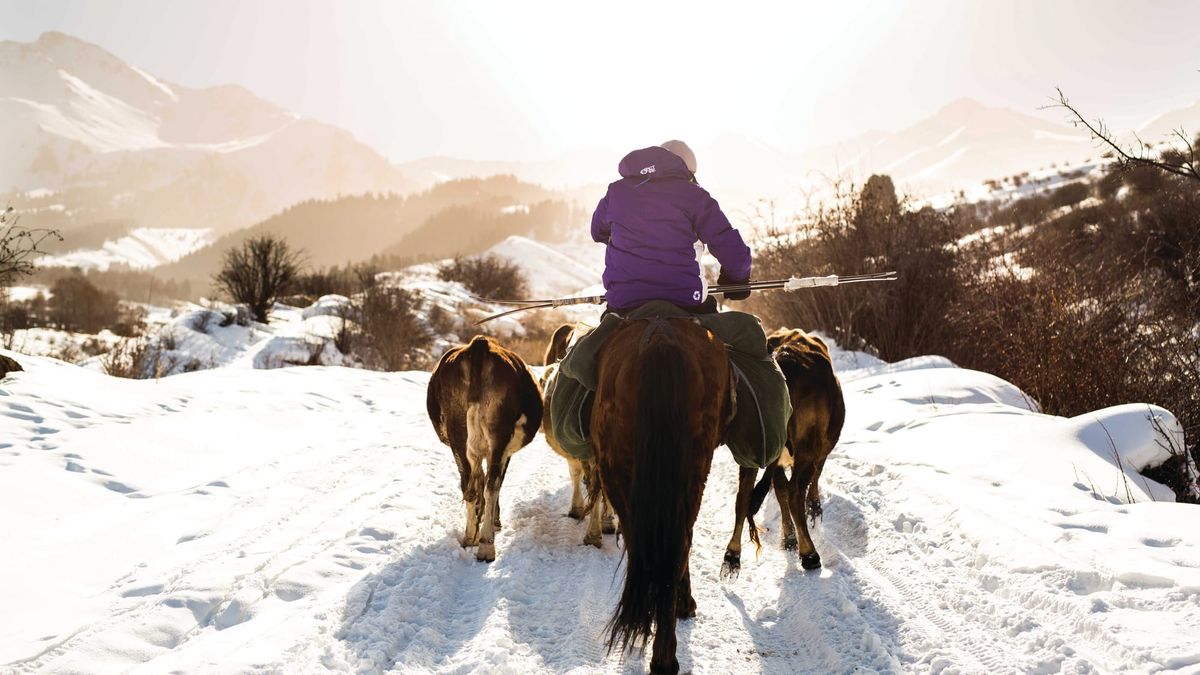
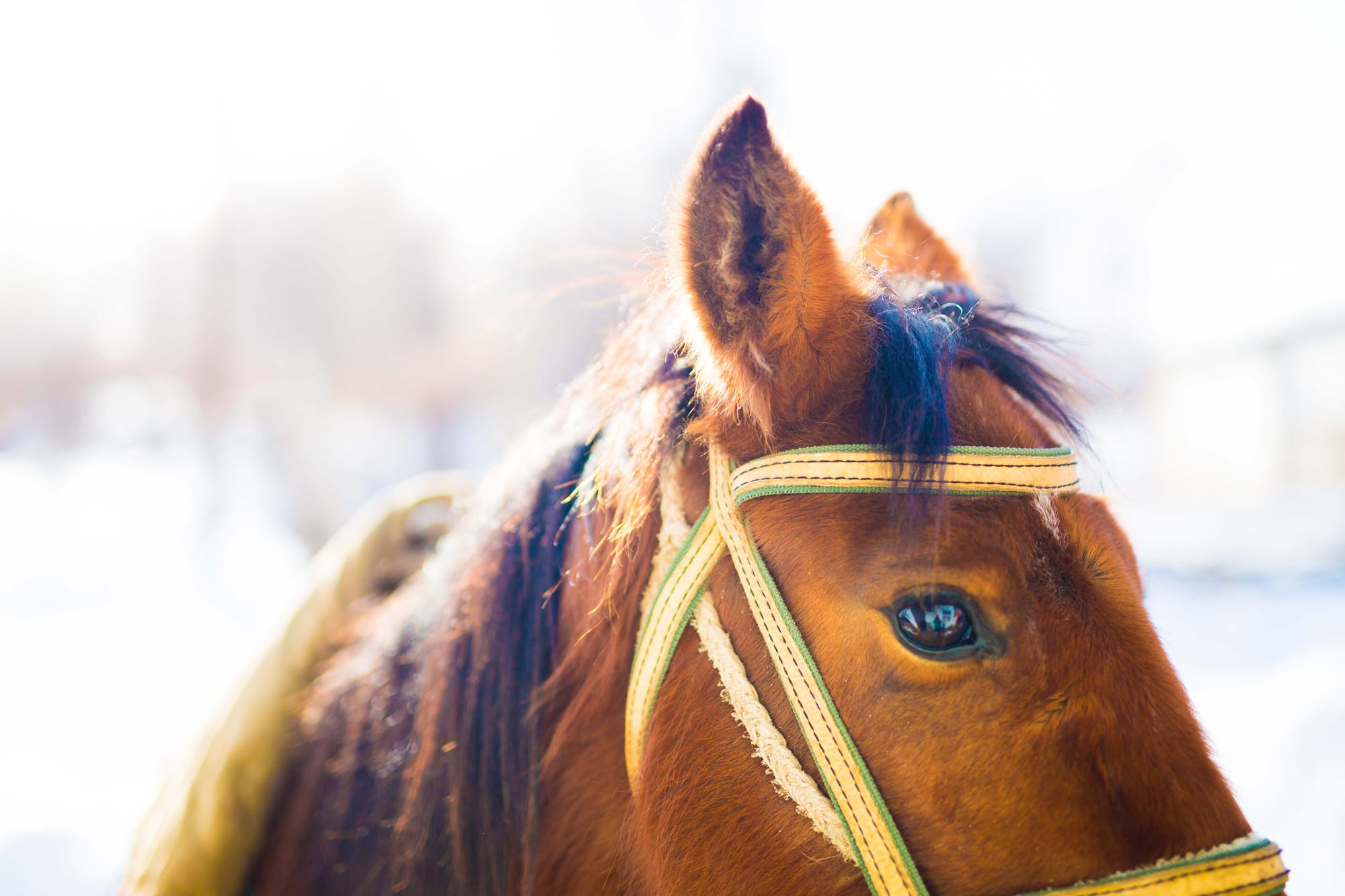
One week ago, it had been a six-hour drive from Bishkek to Karakol, the first staging location for our journey. We were halfway there, cruising the undulant mountain desert landscape, when the driver slammed on his breaks and Kitt, our ski guide and organizer of the trip, hurtled into the frame of the front seat from her place somewhere in the middle of the van. The driver was deadpan, windows rolled up, cigarette hanging from his emotionless mouth. We saw a horse crossing the road as the driver regained control on the ice patch and continued along around the horse that had also barely reacted to nearly becoming minced meat for some flaky, mystery pastry served at a roadside Kyrgyz pit stop. If adventure is even a little bit about finding discomfort, we were in it, and the subsequent existential dilemmas were waiting to make their debuts.
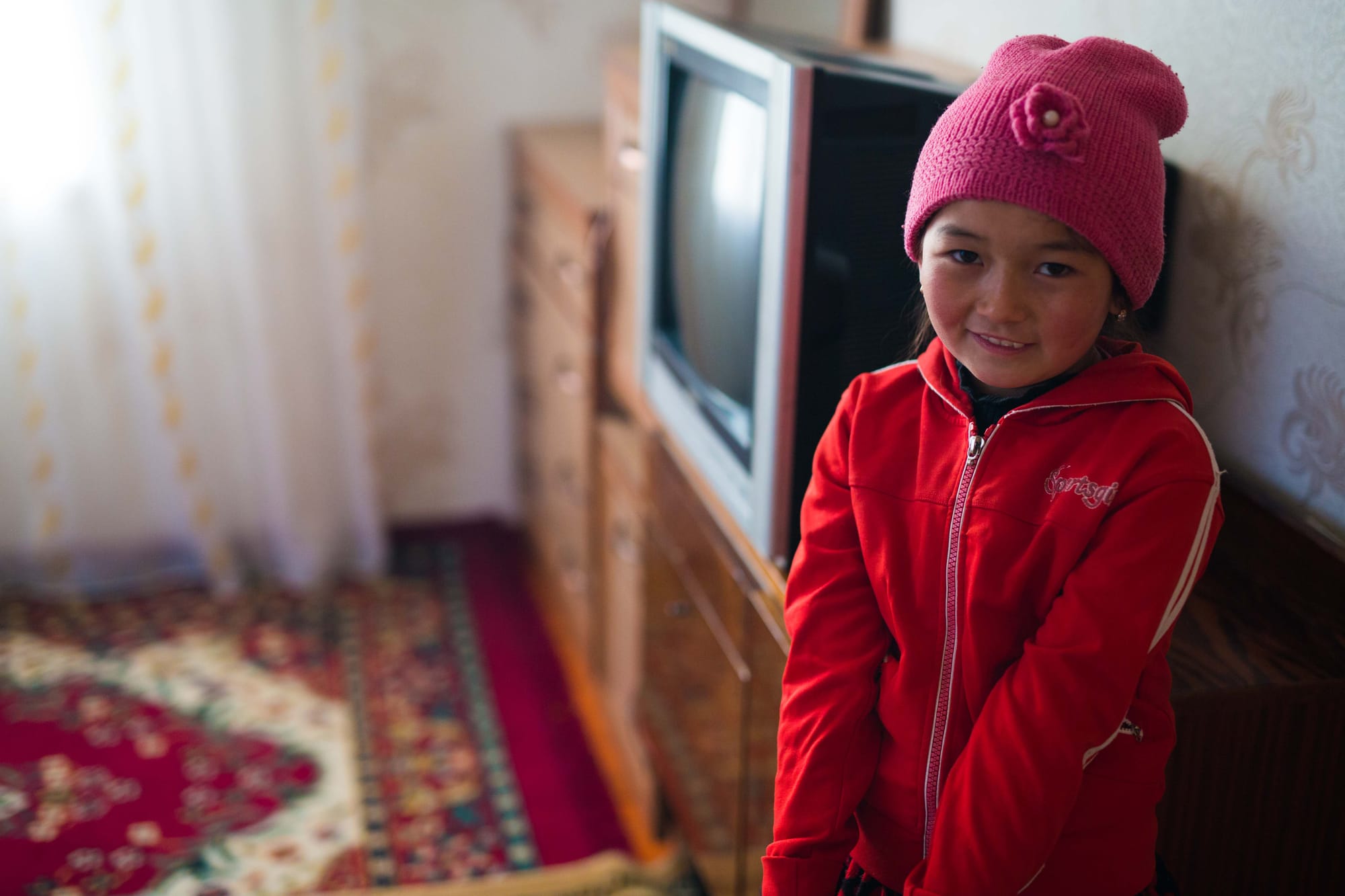
We found ourselves in a room painted purple with a big chandelier hanging from the ceiling. It was a stark contrast to the outhouse and monotone chill hanging outside amidst the mud and horse poop. It was harsh winter and the wood-fire heated room was a Kyrgyzstan version of the 1980s. The family we were staying with hired a local Karakol designer to glamorize their dining room. They sat with us, watching every move we made, especially the youngest daughter, Indira.
They definitely had more goats than furniture. What they own helps them survive, not the ego. Indira struck model poses when Zoya pointed the camera in her direction, moves she likely learned cruising the landscape of her parents’ shared iPhone. Even out there, with the nearest modern hospital a four-hour flight away, little girls posed like Miley Cyrus and looked at us, a group of women from the outside world, as if we were the most important people alive.
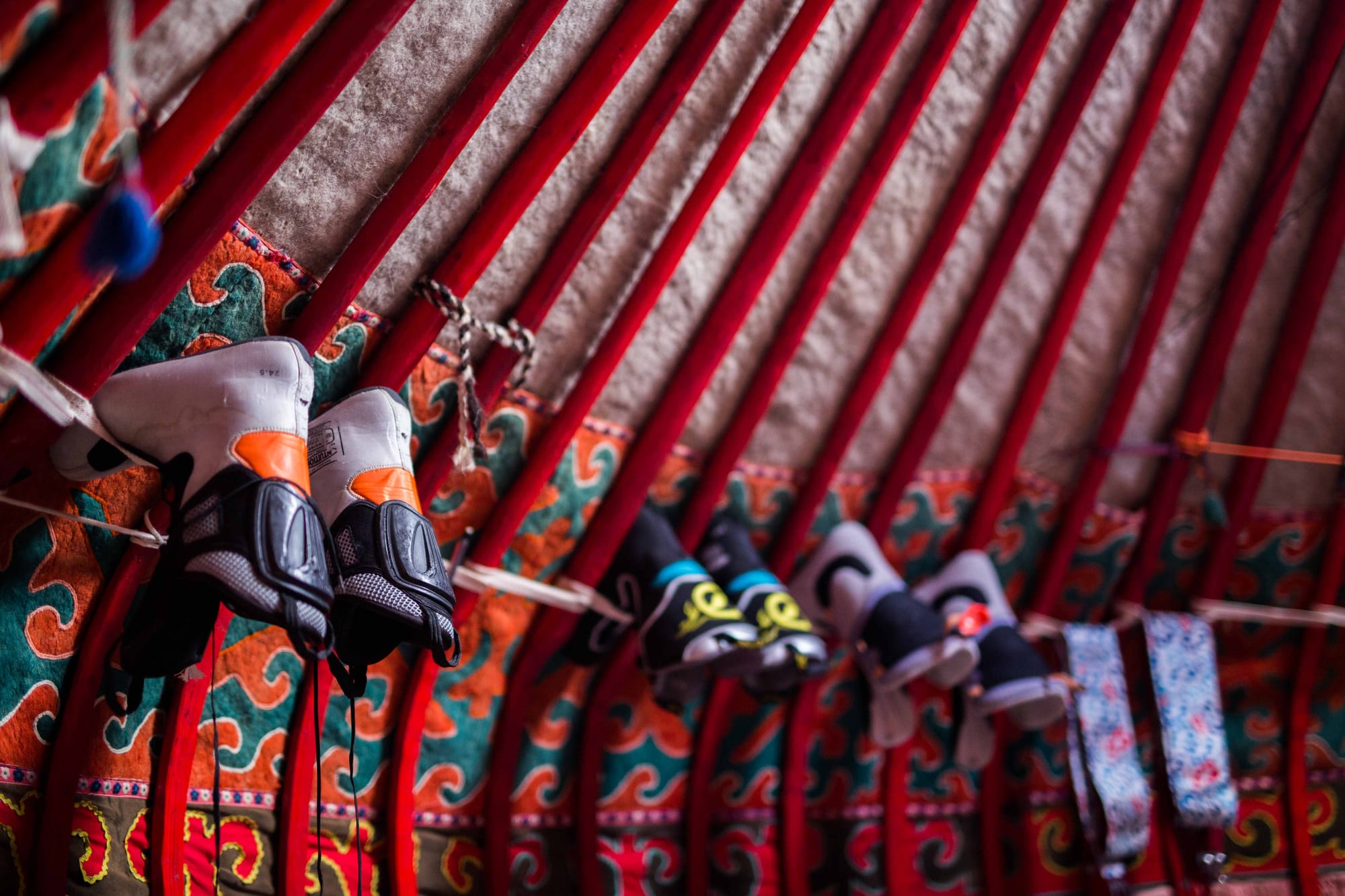
Our guide greeted us in the morning. After a three-hour meditative walk, with stops to engulf Snickers bars and talk about whether or not Zoya’s soul has arrived or was somewhere in the middle of the Atlantic, we were there. We stood on top of Yurtzee, a popular run. It was our second day in the mountains and I was feeling intimidated.
“Ski it like you mean it,” hooted lead guide, Ptor, before dropping into the valley abyss, followed by a holler, “Yeah doggies!”
“You can go second, Moll,” Kitt said to me.
“Oh, no, well, whatever you want to do,” I hid my face behind my jacket, winnowing between the reality before us and the somewhat irrational fear flooding my core.
I didn’t know where the feeling had come from, but it was haunting.
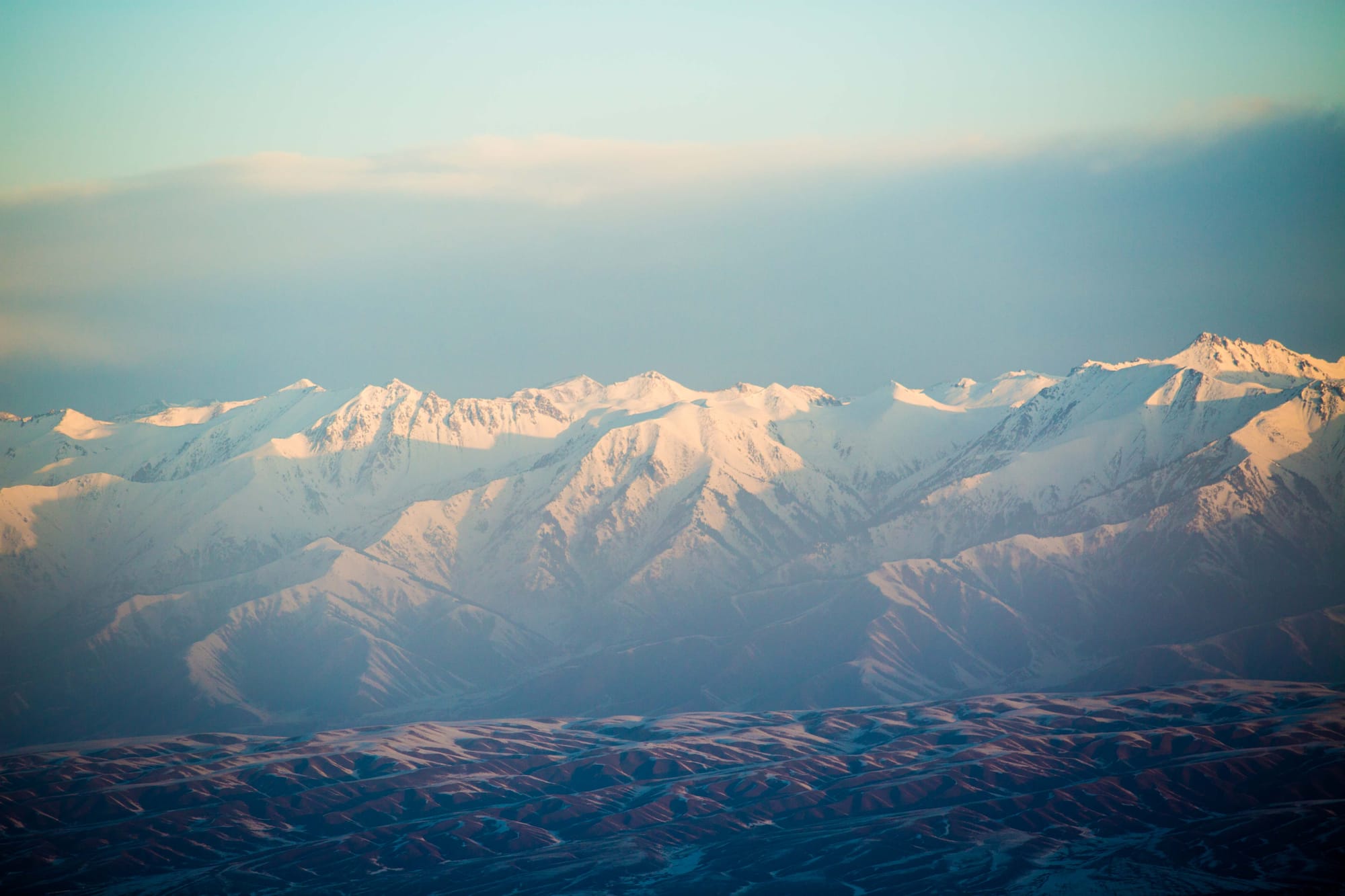
On the trek up to Yurtzee, Ally had posed a question: “When is it enough?” When have you satiated adventure and found your limits so often that spending time cooking meals for loved ones seems like a wild and crazy idea?
I made my first turn and skiing felt relaxed and satisfying, just as it always does, but I was also afraid watching the girls follow after me, despite their lovely and confident turns. Over the years it has become so easy to imagine everything going wrong. The fearlessness of my twenties has abandoned me. Skiing has provided experiences in both the light and the dark, but now I can feel the dark much more deeply.
It was our last day of skiing and we were finally going for a line that Ptor had been calling out since our arrival: The Shrine. It’s near Wolf Ridge and took us all day to access.
Two golden eagles sashayed together, nearing the ridge we were climbing and then glided out into the vastness of the immense valley beyond. Of all the creatures in this place, such as wolves, snow leopards, brown bears, ibex, gazelles, and wildcats, the eagles were the only we saw. The others we could feel, but their physical presence evaded us.
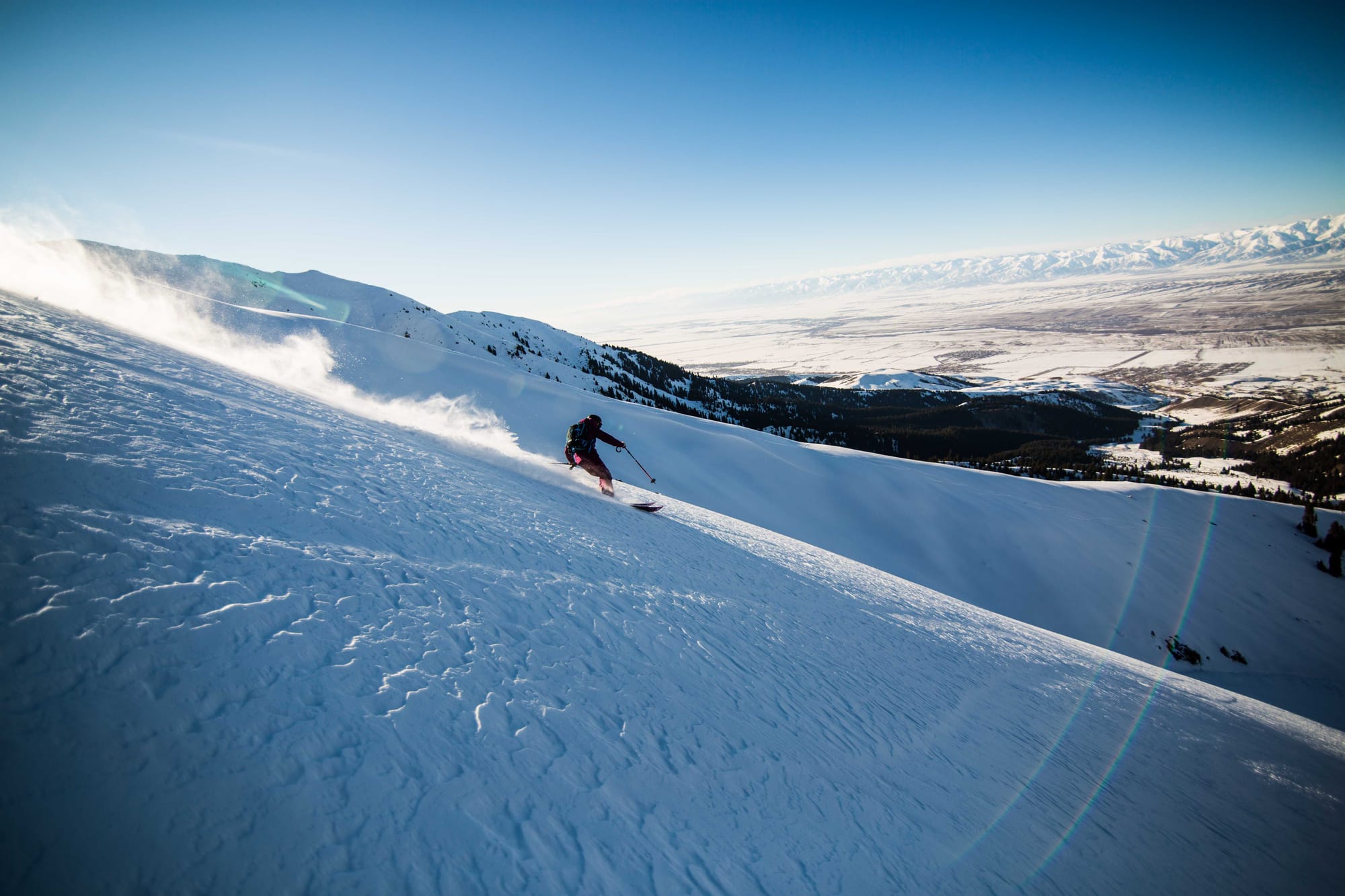
The Issyk-Kul Valley below is the kind of valley that in other places in the world might be filled with smog and thousands of people navigating the seemingly purposeless humdrum of 21st century life. Here, we saw two villages where people worked on survival and not iPads. I was reminded of something Ptor said about modern man’s workplace stress being a replacement for other survival-of-the-fittest stressors, like hunting for the food that will keep you alive.
I silently petitioned the universe that survival doesn’t have to be about stress, but it seems in my nearly thirty-two years that answers only lead to more questions. When is enough, enough?
We descended the glorious remainder of the line as it fell away into the trees and valley.
I click “purchase” on my new ticket back to Austria. I imagine myself back in the place where I’ve started to build a sanctuary. It has a kitchen where I roast vegetables, a bed with my own sheets, and a man who loves me. It isn’t trekking in Nepal, navigating chaotic streets in India, or floating powder from 4,000-meter peaks, but it feels unfamiliar. My mind tells me that I am crazy, but my heart beats a rhythm full of honesty.
I am going home.